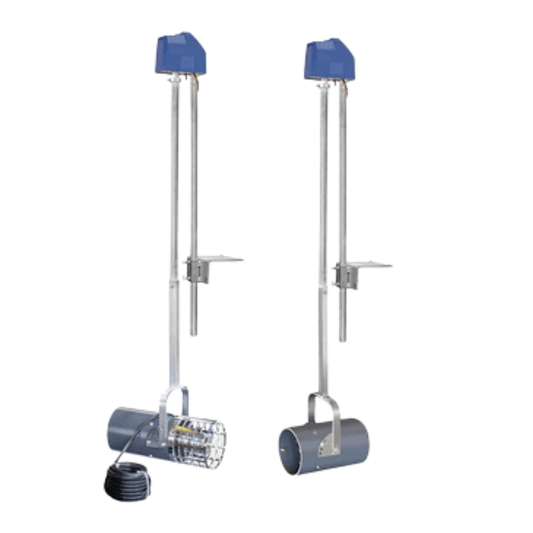
How Does a Pond De-Icer Work?
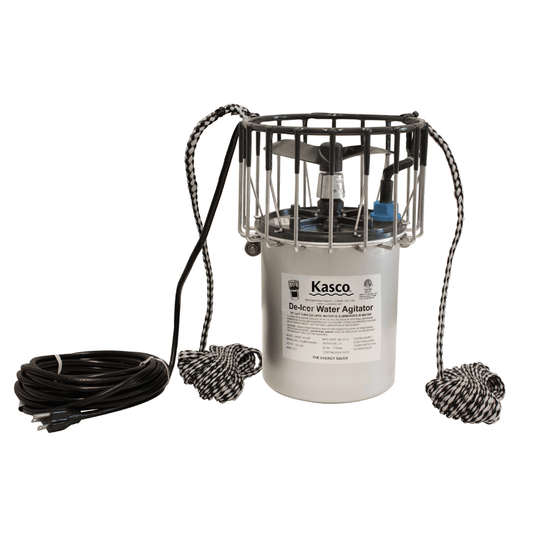
Most ice eaters use a submersible motor and propeller to move water. They pull warmer water from below the surface (even in winter, water at the bottom of a pond is warmer than the freezing surface) and push it upward. That constant circulation prevents ice from forming in a targeted area — typically a 30- to 75-foot circle depending on the unit's horsepower.
Some pond de-icers are thermostatically controlled, activating only when water temperature drops near freezing. This saves energy and extends the unit's lifespan by running only when needed.
Dock De-Icers vs Pond De-Icers
They work the same way — the difference is sizing and mounting.
-
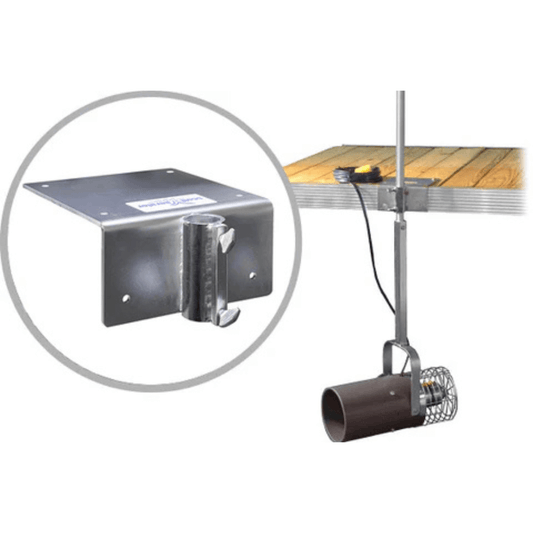
Dock de-icers are designed to protect a specific structure. They mount near pilings or along dock edges and focus circulation in a concentrated area. Ideal for marinas, boat slips, and waterfront property.
-
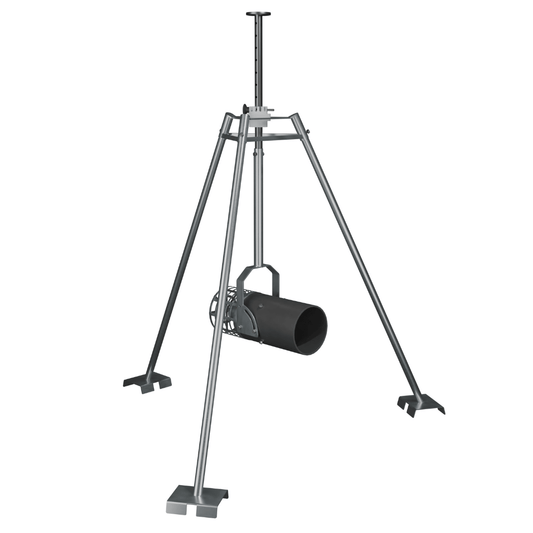
Pond de-icers are positioned to maintain an open area on a pond or small lake. They're typically anchored in the pond and sized to keep enough surface open for gas exchange — critical for fish survival.
Choosing the Right Size
-
1/2 HP: Protects a single dock section or maintains an opening on a small pond
-
3/4 HP: Covers a larger dock area or a pond up to 1/2 acre
-
1 HP+: Commercial docks, marinas, or ponds over 1/2 acre
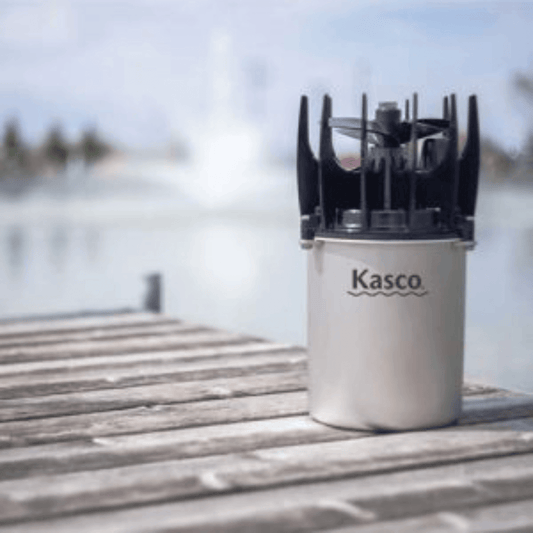
All of our de-icers and ice eaters are built by Kasco — the industry standard for reliability in cold-water applications. Need help choosing the right size? Give us a call — we'll match the unit to your situation.
Frequently Asked Questions
How does a pond ice eater work?
A pond ice eater uses a submersible motor and propeller to circulate warmer water from below the surface upward. Even in freezing conditions, water near the bottom of a pond stays above 32°F. By continuously moving this warmer water to the surface, the ice eater prevents ice from forming in a circle around the unit — typically 30 to 75 feet in diameter depending on horsepower. This keeps an opening in the ice for gas exchange, which is critical for fish survival during winter.
What size de-icer do I need for my dock?
For a standard residential dock, a 1/2 HP de-icer is usually sufficient to protect one dock section or boat slip. Larger docks, L-shaped configurations, or commercial marinas typically need 3/4 HP to 1 HP units — or multiple units positioned along the dock line. Factors that affect sizing include water depth, current, typical winter temperatures, and whether the dock is in a sheltered cove or exposed shoreline. Call us with your dock dimensions and we'll recommend the right setup.
Do I need a pond de-icer in winter?
If your pond has fish, yes — a de-icer is essential in climates where the surface freezes over. When ice completely seals a pond, toxic gases (carbon dioxide, hydrogen sulfide) from decomposing organic matter get trapped underwater while oxygen levels plummet. This can cause a winter fish kill. A de-icer keeps an opening in the ice so gases can escape and oxygen can enter. Even ponds with diffused aeration systems benefit from a de-icer in severe cold, since the aerator's bubbles alone may not prevent surface freezing in extreme temperatures.