


Stainless Steel Hose Clamp 7/16" - 1"
Stainless Steel Hose Clamp 7/16" - 1"
ITEM #: HC3
Couldn't load pickup availability
Free Shipping on Orders Over $99
Product Description
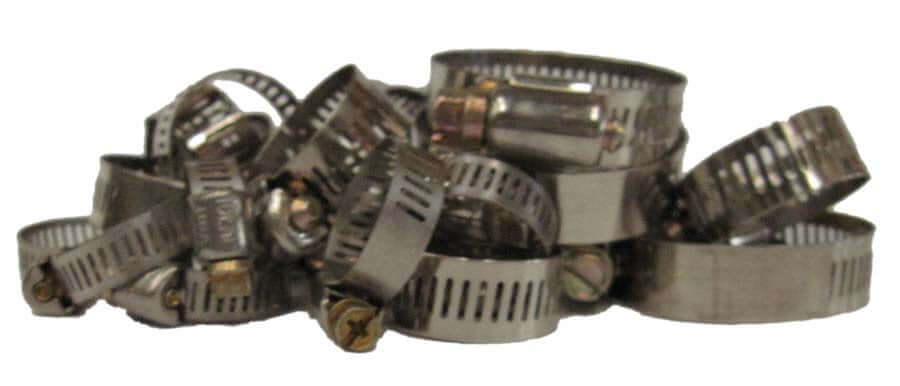
stainless steel hose clamp 7/16 to 1 inch is a dependable choice for securing small-diameter hoses and tubing where a consistent, adjustable seal matters. Designed for practical installs and routine service work, it applies even pressure around the hose to help reduce seepage and vibration-related loosening when installed correctly.
This clamp size range is commonly used on compact lines for water, air, and general-purpose fluid routing. To ensure a proper fit, measure the hose outside diameter at the point where the clamp will sit (typically over a barb or connector), then confirm it falls within the stated range. When selected near the middle of its adjustment span, the clamp is easier to set and can provide more consistent tension.
Key benefits for clean, secure connections
- Corrosion resistance: Stainless steel is widely chosen for damp, outdoor, or utility environments where standard hardware can corrode over time.
- Adjustable holding power: The 7/16"–1" range lets you fine-tune tension to match your hose’s outer diameter without forcing an improper size.
- Service-friendly design: A worm-gear style clamp is typically tightened with common hand tools, making positioning and re-tightening straightforward during maintenance.
- Versatile use: Suitable for many non-specialty hose and tubing connections; always verify compatibility for chemical exposure, temperature, and pressure requirements in your system.
For best results with the stainless steel hose clamp 7/16 to 1 inch, seat the hose fully on the fitting, position the clamp behind the barb ridge (not on the very edge), and tighten until snug and sealed. Avoid over-tightening, which can cut into softer hose materials or deform thin-walled tubing.
FAQ
Q: How do I confirm sizing? Measure the hose OD where the clamp will sit; it must be within the clamp’s adjustment range for the stainless steel hose clamp 7/16 to 1 inch.
Q: Is it suitable for outdoor installations? Stainless steel is commonly selected for outdoor and wet locations due to its improved corrosion resistance compared with many standard clamps.
Q: How tight should it be? Tighten until the connection is sealed and the hose cannot be rotated by hand, then stop—recheck after initial run time if your application allows.