


Collection: Pond Pumps
Learn more-
Easypro TH Series Stainless Steel Submersible Pond and Waterfall Pump
Regular price $56429Sale price $56429 Regular priceUnit price per$59399Sale -
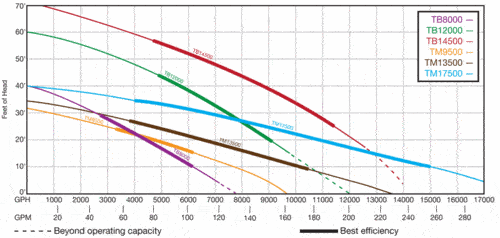
Easypro TB Series - High Head Stainless Steel Submersible Pump
Regular price $96519Sale price $96519 Regular priceUnit price per$1,01599Sale -
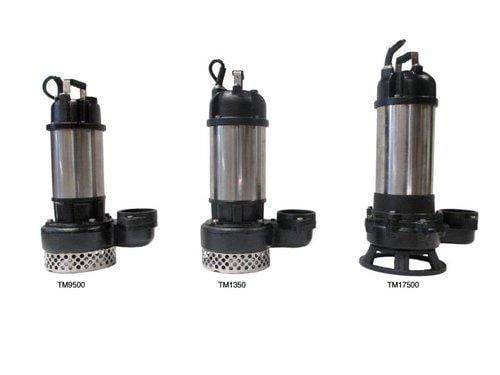
Easypro TM Series High Volume Stainless Steel Submersible Pond & Waterfall Pump
Regular price $1,17474Sale price $1,17474 Regular priceUnit price per$1,26999Sale -
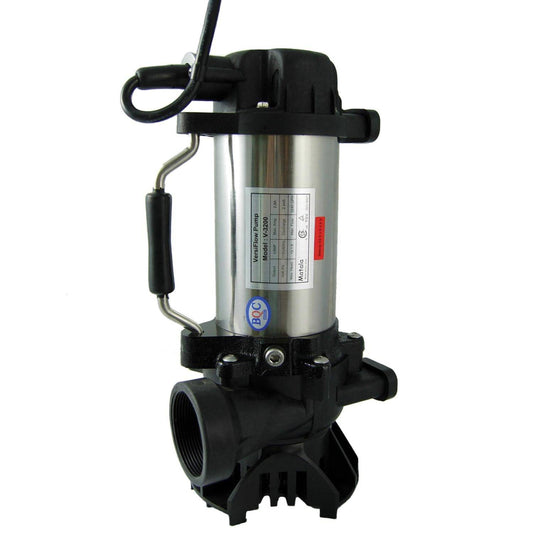
Matala Horizontal Submersible Pond Pump
Regular price $49999Sale price $49999 Regular priceUnit price per$53999Sale -
 Sale
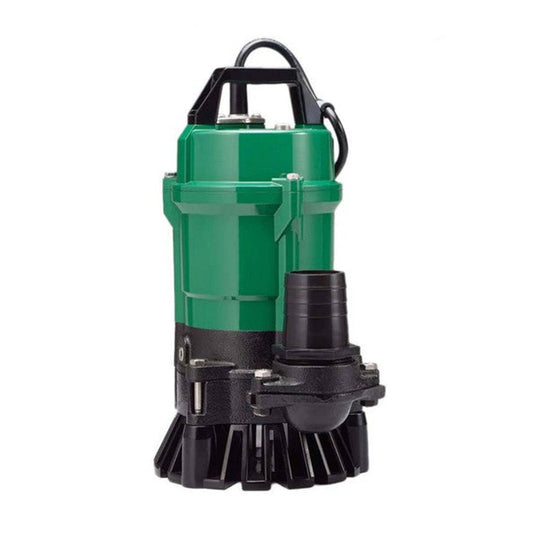
SaleEasyPro Submersible Trash Pump 3600 GPH - 1/2 HP, 2" FPT, Durable, Oil-Free, Thermal Protection
Regular price $66974Sale price $66974 Regular priceUnit price per$70499Sale -
MUNRO Pumps
Regular price $2,40999Sale price $2,40999 Regular priceUnit price per -
EX Series External Pump - Low Head
Regular price $62099Sale price $62099 Regular priceUnit price per$68999Sale -
EXP Series External Pump - Low Head 3700 GPH
Regular price $91417Sale price $91417 Regular priceUnit price per -
EX Series External Pump - High Head 8500 GPH
Regular price $1,07624Sale price $1,07624 Regular priceUnit price per$1,22999Sale -
Submersible Pump/Filter/UV Combo
Regular price $24224Sale price $24224 Regular priceUnit price per$25499Sale -
Easypro High Volume Centrifugal Pump Intake Filters for 2",3",4",6" & 8" Pipe
Regular price $18899Sale price $18899 Regular priceUnit price per$19999Sale -
Optional Strainer Baskets for EX Pumps - 2'' Inlet
Regular price $16624Sale price $16624 Regular priceUnit price per$18999Sale -
Artesian Pro External Pump - Self Priming High Flow
Regular price $1,66499Sale price $1,66499 Regular priceUnit price per$1,79999Sale -
Great Value External Pump - Self Priming Option
Regular price $50399Sale price $50399 Regular priceUnit price per$55999Sale -
F & Q High Volume Submersible Pump
Regular price $74999Sale price $74999 Regular priceUnit price per$86999Sale -
Tranquil Decor Mag Drive Pump
Regular price $1999Sale price $1999 Regular priceUnit price per -
Easypro Cleanout Package with 25FT or 50FT Roll-Up Hose and Quick Connect Fittings
Regular price $9899Sale price $9899 Regular priceUnit price per -
Submersible Asynchronous Mag Drive Pump - 1900 to 9500 GPH
Regular price $28385Sale price $28385 Regular priceUnit price per$29879Sale -
Eco-Clear Pond and Waterfall Pump - 1400 to 4850 GPH
Regular price $20609Sale price $20609 Regular priceUnit price per$22899Sale -
EXP Self-Priming - Low Head External Pump - 4000 to 9500 GPH
Regular price $1,28574Sale price $1,28574 Regular priceUnit price per$1,38999Sale -
Inline Flow Meter
Regular price $27699Sale price $27699 Regular priceUnit price per$000 -
PVC Primer
Regular price $979Sale price $979 Regular priceUnit price per$000 -
SPECK X Swim-Rated 265 GPH (max) .5 hp Dual Voltage External Flooded Suction Pump
Regular price $4,09499Sale price $4,09499 Regular priceUnit price per$4,54999Sale -
SPECK X Swim-Rated 250 GPH (max) 4 hp, 230v High Pressure Pump
Regular price $3,14999Sale price $3,14999 Regular priceUnit price per$3,49999Sale -
SPECK X Swim-Rated 450 GPH (max) 5 hp, 230v High Flow Pump
Regular price $4,67999Sale price $4,67999 Regular priceUnit price per$5,19999Sale -
Tall Submersible Pump Screens
Regular price $13499Sale price $13499 Regular priceUnit price per$14999Sale -
EasyPro 1.65 hp High Flow, Swim-Rated, Variable Speed Pump
Regular price $2,48824Sale price $2,48824 Regular priceUnit price per$2,68999Sale -
EasyPro 2.70 hp High Flow, Swim-Rated, Variable Speed Pump
Regular price $3,05249Sale price $3,05249 Regular priceUnit price per$3,29999Sale -
SPECK X 2.7 hp External Variable Speed Pump, 230v, 1 Phase Input
Regular price $1,99999Sale price $1,99999 Regular priceUnit price per$000 -
SPECK X 8400 GPH 1.65 hp, 230v External Variable Speed Pump
Regular price $1,59999Sale price $1,59999 Regular priceUnit price per$000 -
HTH Series™ Horizontal Submersible Stainless Steel Pumps
Regular price $67449Sale price $67449 Regular priceUnit price per$70999Sale





NOT SURE WHAT AERATOR YOU NEED?
Let us Help!