


-
GreenClean Pro Algaecide for Ponds 50lbs
Regular price $24599Sale price $24599 Regular priceUnit price per$000 -
GreenClean Granular Algaecide
Regular price $18900Sale price $18900 Regular priceUnit price per -
Easypro Phosphate Binder 15 lb Pail
Regular price $11499Sale price $11499 Regular priceUnit price per -
Cutrine Plus Granular Algaecide
Regular price $7499Sale price $7499 Regular priceUnit price per -
Cutrine Plus Liquid Algaecide - 1 Gallon
Regular price $9999Sale price $9999 Regular priceUnit price per -
TruBlu Concentrated Aqua Blue Pond Dye
Regular price $3900Sale price $3900 Regular priceUnit price per -
Aquathol Super K Granular Herbicide
Regular price $49999Sale price $49999 Regular priceUnit price per -
Aquathol Super K Liquid Herbicide 1 Gallon
Regular price $24999Sale price $24999 Regular priceUnit price per -
Aquathol Super K Liquid 2.5 Gallons
Regular price $49999Sale price $49999 Regular priceUnit price per -
Hydrothol Granular Contact Herbicide
Regular price $19999Sale price $19999 Regular priceUnit price per -
Nautique Aquatic Herbicide
Regular price $14999Sale price $14999 Regular priceUnit price per$000 -
Sonar A.S. Aquatic Herbicide
Regular price $42999Sale price $42999 Regular priceUnit price per -
Complete Pond Rejuvenation Kit
Regular price $30799Sale price $30799 Regular priceUnit price per$39999Sale -
EarthTec Liquid Algaecide
Regular price $6099Sale price $6099 Regular priceUnit price per -
Harpoon Granular Aquatic Herbicide
Regular price $23999Sale price $23999 Regular priceUnit price per -
Tribune Aquatic Herbicide 2.5 Gallons
Regular price $34999Sale price $34999 Regular priceUnit price per$000 -
Argos Algaecide & Hebricide
Regular price $5899Sale price $5899 Regular priceUnit price per -
Flumigard® Aquatic Herbicide
Regular price $37999Sale price $37999 Regular priceUnit price per


Collection: Algae & Weed Control
 |
 |
 |
 |
 |
 |
 |
 |
 |
 |
 |
 |
 |
 |
 |
 |
 |
 |
Pond Algae
(3 Common Types)
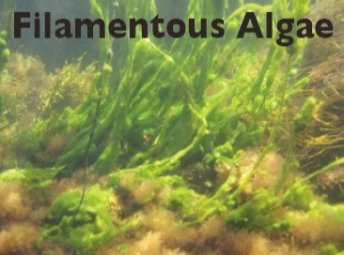
Filamentous algae
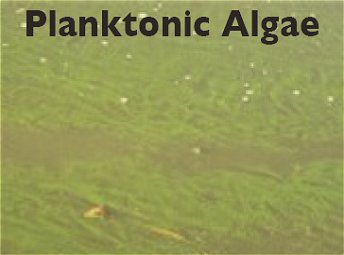
is most common, growing in mats and strings.Planktonic algae
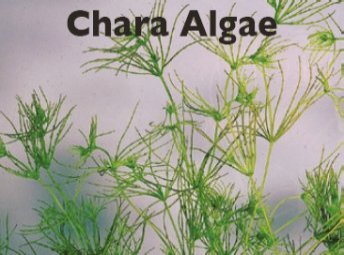
causes green water, it has millions of cells that cloud together.Chara algae
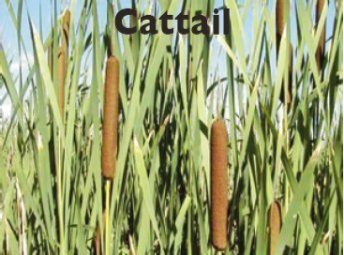
is weed-like, it grows like a carpet along the bottom.Cattails & Other Emergent Plants
- Emergent plants grow around the perimeter of a pond in shallow water with all or most of their foliage above water. Examples are Cattails, Bulrush, Reeds, Purple Loose Strife, Pennywart and Pickeralwood.Pondweeds
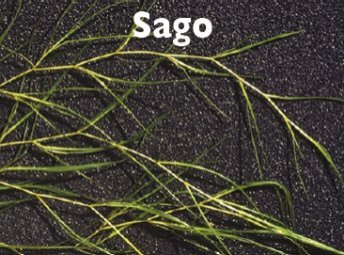
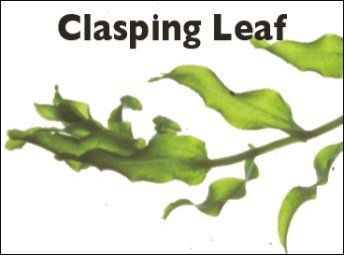
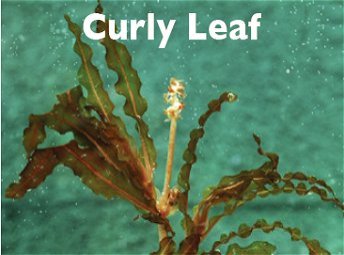
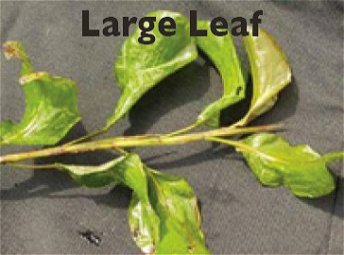
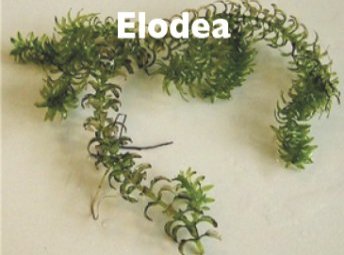
- The pondweed family has over a dozen varieties with these four being the most common: Sago, Clasping Leaf, Curly Leaf, Large Leaf.Elodea
- This plant grows in thick clumps and is usually not a big problem, the leaves are in whorls of three around the stem.Duckweed & Watermeal
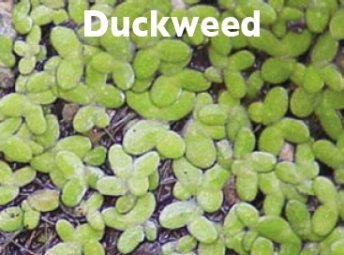
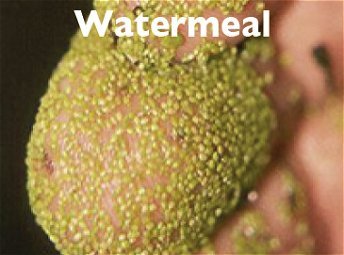
- Duckweed is hard to control, it forms a thin layer over the surface in calm ponds. It will not grow well in moving water so use of a surface aerator will help in controlling growth.Waterlilies
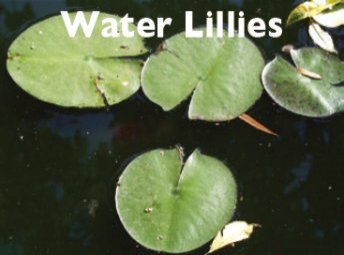
- Waterlilies can become a problem in many ponds, they grow off of a large central root system (much like popal trees). Some growth is great for shade and cover for fish, but when left unchecked they will overpopulate quickly.Eurasian Milfoil
- Spreads very easy since fragments of plant can re-root and grow. Do not try to remove by raking.Other Less Common Weeds
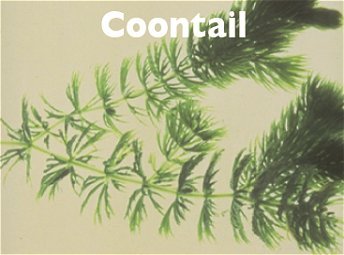
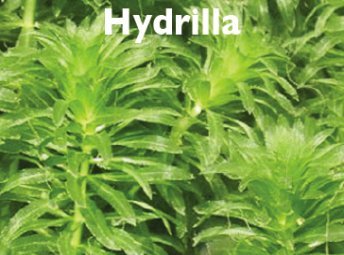
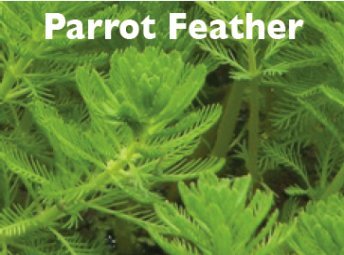
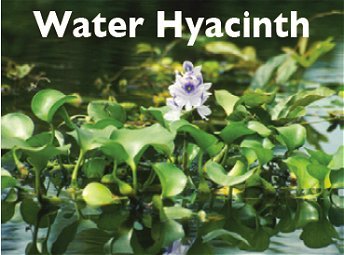
Include Naiad, Coontail, Bladderwort, Hyrdilla, Parrot Feather & Water Hyacinth.
Many states restrict the shipment of EPA registered chemicals into the state. At this time most products that are not EPA registered are not restricted. Please look next to each product to see if it is EPA registered. If it is, please consult the information below to see if it can be shipped into your state:
¥ No products can be shipped into Canada. Canadian law requires different labeling and registration. US labeled chemicals cannot ship into Canada.
¥ GreenClean (GC20, GC50) can be purchased in NY but you must obtain a permit to apply in that state, all other states ok. GreenClean Pro (GC50PRO) and GreenClean Liquid (GCL5) are restricted in MA. The states of NY, NJ, VT and ME can buy GreenClean Liquid (GCL5) but must obtain a license to apply in that state.
NOT SURE WHAT AERATOR YOU NEED?
Let us Help!